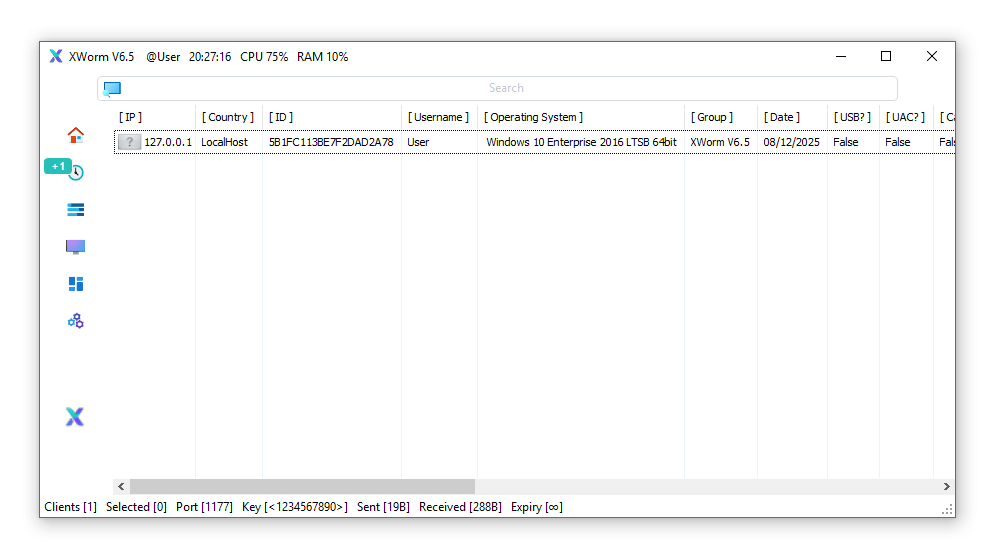
XWorm RAT v6.5: The Evolving Threat in Cybersecurity
Introduction
In the ever-evolving landscape of cybersecurity threats, XWorm RAT v6.5 stands out as a sophisticated remote access trojan (RAT) that has captured the attention of security researchers and threat actors alike. First emerging in 2022, XWorm has undergone multiple iterations, with version 6.5 representing one of the latest developments in its modular architecture. This article delves into the key features, infection mechanisms, and implications of XWorm RAT v6.5, providing valuable insights for IT professionals, cybersecurity enthusiasts, and organizations looking to bolster their defenses.
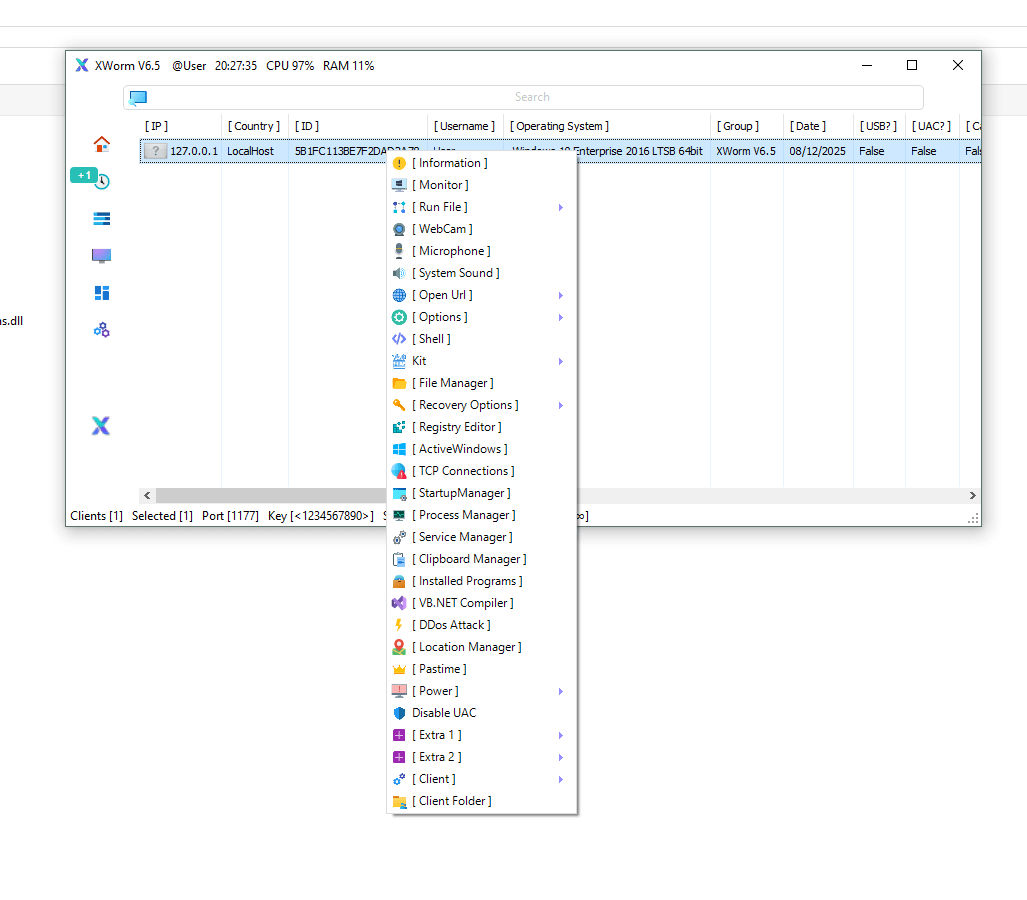
As a commodity malware available in underground forums, XWorm RAT v6.5 exemplifies the growing trend of malware-as-a-service (MaaS), where even novice cybercriminals can deploy powerful tools for espionage, data exfiltration, and financial gain. Understanding this threat is crucial for proactive protection.
What is XWorm RAT v6.5?
XWorm RAT v6.5 is an advanced variant of the XWorm family, a remote access trojan designed for unauthorized control over infected systems. Unlike earlier versions, v6.5 incorporates enhancements for stealth, modularity, and resilience, building on the resurrection of v6.0 in mid-2025 after a brief hiatus in development.
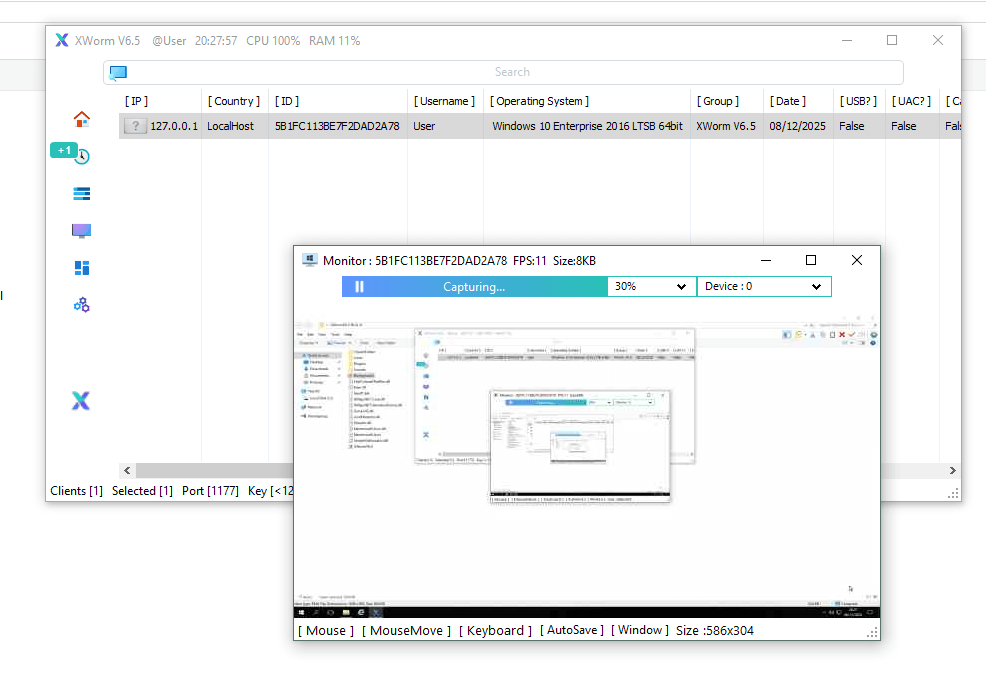
At its core, XWorm generates a unique client ID based on system hardware and software details, such as processor count, username, and OS version. This ID facilitates encrypted communication with command-and-control (C2) servers, often using ports like 4411 and default encryption keys. The malware’s modular design allows operators to load plugins dynamically, expanding its functionality without redeploying the core payload.
Key characteristics include:
- Modular Plugins: Over 35 plugins for tasks like remote desktop access, file management, and information stealing.
- Persistence Mechanisms: Techniques to survive reboots and even system resets, using registry keys, scheduled tasks, and logon scripts.
- Multi-Stage Infection: Typically starts with phishing emails or malicious downloads, leading to PowerShell scripts that disable security features like AMSI (Anti-Malware Scan Interface).
This version addresses vulnerabilities from prior releases, such as remote code execution flaws in v5.6, making it more robust against detection and exploitation.
Key Features and Capabilities of XWorm RAT v6.5
XWorm RAT v6.5’s strength lies in its plugin ecosystem, which enables a wide range of malicious activities. Plugins are stored in the Windows registry and loaded into memory on demand, minimizing disk footprints and evading traditional antivirus scans.
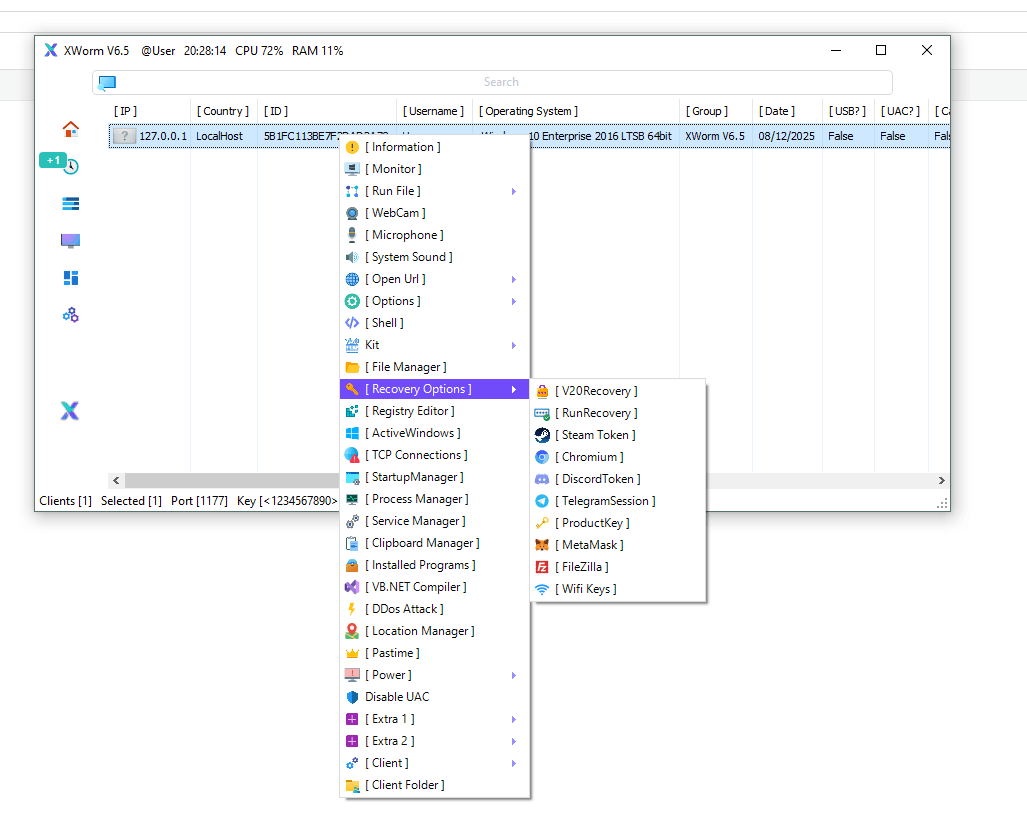
Data Theft and Surveillance
- Infostealers: Plugins like Stealer.dll and Chromium.dll target browsers (Chrome, Edge, Firefox) to extract passwords, cookies, credit card details, and autofill data. Advanced versions bypass security checks without direct injection.
- Keylogging and Clipboard Monitoring: Captures keystrokes and monitors the clipboard for sensitive information, such as cryptocurrency wallet addresses, which can be replaced in real-time (clipper functionality).
- Webcam and Screenshot Capture: Allows remote recording from webcams and periodic screenshots for surveillance.
System Control and Manipulation
- Remote Shell and Desktop: Shell.dll provides a hidden command prompt for executing system commands, while RemoteDesktop.dll enables full remote control, including mouse/keyboard simulation.
- File Management: FileManager.dll handles operations like uploading, downloading, encrypting, and decrypting files using AES-CBC algorithms.
- Process and Network Management: TCPConnections.dll lists and terminates connections, aiding in evasion or further attacks.
Ransomware Integration
One of the most alarming features is the Ransomware.dll plugin, which encrypts files across the system (excluding critical directories) and drops a ransom note demanding payment in Bitcoin. This shares code with older ransomware like NoCry, highlighting XWorm’s hybrid capabilities as both a RAT and a ransomware tool.
Additional plugins support tasks like gathering system information, managing startup programs, and even deploying secondary malware, such as stealers or miners.
How XWorm RAT v6.5 Spreads
XWorm RAT v6.5 employs deceptive delivery methods to infiltrate systems:
- Phishing Campaigns: Malicious JavaScript or attachments in emails that download PowerShell scripts, often displaying decoy PDFs to distract users.
- Trojanized Software: Disguised as legitimate files, such as adult games or cracked tools, distributed via webhards or underground forums.
- Multi-Stage Payloads: Initial droppers disable defenses, inject into processes like RegSvcs.exe, and establish C2 connections.
Once infected, the malware ensures persistence through techniques like exploiting ResetConfig.xml for survival during factory resets, a tactic borrowed from other threats.
Security Implications and Risks
The resurgence of XWorm in v6.5 poses significant risks to individuals and organizations. Its ability to steal sensitive data, encrypt files for ransom, and maintain long-term access can lead to financial losses, data breaches, and operational disruptions. In the cyber-crime ecosystem, XWorm is favored by both opportunistic hackers and advanced persistent threat (APT) groups, with campaigns spanning multiple languages and regions.
Cracked versions circulating on platforms like hack forums introduce additional dangers, including self-infection of attacker systems.
How to Protect Against XWorm RAT v6.5
Preventing XWorm infections requires a layered security approach:
- Endpoint Protection: Use advanced EDR (Endpoint Detection and Response) tools to monitor for process injection, unusual registry changes, and C2 traffic.
- Email and Web Filtering: Block suspicious attachments and scripts; educate users on phishing red flags.
- Regular Updates and Patching: Keep systems and browsers up-to-date to close vulnerabilities.
- Behavioral Monitoring: Detect anomalies like hidden processes or file encryption attempts.
- Backup and Recovery: Maintain offline backups to mitigate ransomware impacts.
Security firms recommend tuning defenses based on known indicators, such as specific C2 IPs or plugin hashes.
Download XWorm RAT v6.5
Conclusion
XWorm RAT v6.5 represents a persistent and adaptable threat in the malware landscape, emphasizing the need for vigilant cybersecurity practices. By staying informed about its features and spread methods, you can better safeguard your digital assets. For more in-depth analyses, consult resources from trusted security vendors.
If you’re managing a WordPress site with RankMath, ensure to optimize images with alt text containing keywords like “XWorm RAT v6.5 diagram” and include internal links to related cybersecurity posts for better SEO performance.